A few years ago, I never imagined having a server at home. To be more precise, I didn’t even know what a homelab was, nor did I know about the community around this hobby.

Back in 2020, having subscriptions like Spotify, Netflix, Amazon Prime, and Game Pass was the most cost-effective option. Prices were affordable, there weren’t many platforms showing ads, and piracy had already started to decline since the beginning of the streaming boom led by Netflix. It was incredibly convenient to have access to a huge catalog of movies and TV series for a price much lower than what cable television companies used to charge.
Up to that point, everything seemed fine. But then…
In 2016 Amazon launched Amazon Prime Video worldwide. In 2019 Apple launched Apple TV+, and the same year Disney+ was introduced. In 2021 Paramount+ arrived. And that’s not even mentioning Hulu, Peacock, SkyShowtime, HBO Max, Globoplay (more of a Brazil-specific platform), and many others.
You probably see where I’m going with this.
Content that used to be mostly available on Netflix is now completely scattered across many different subscriptions, each with its own price and often questionable policies.
As if that weren’t enough, other internal policies from these services made me even more concerned about the direction things were going:
- Advertisements appearing in paid services
- Constant price increases
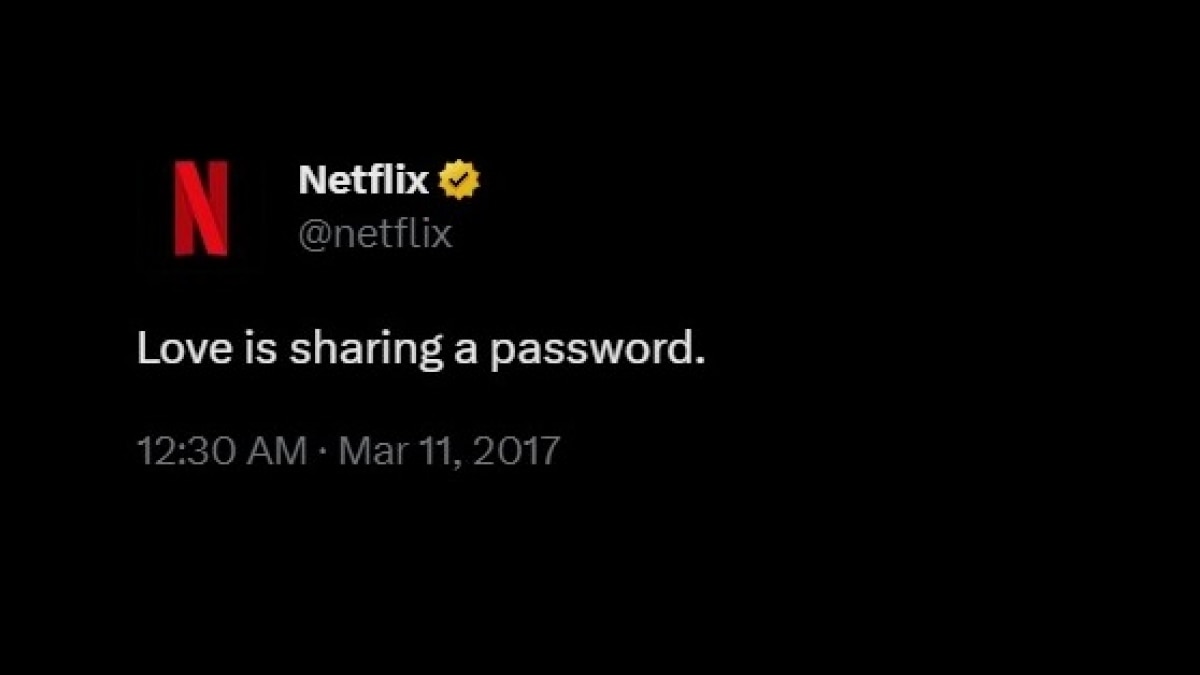
- The inability to share accounts with other users (yes, apparently your family now has to live in the same household as you)
- Movies and TV shows simply disappearing from the catalog without any explanation (ahem… Westworld)
- Apps for many of these services stopping support for operating systems still used on many TVs
All of these issues are very common in video streaming subscriptions, but other types of subscriptions have not gone unnoticed either.
- Some artists no longer put their music on Spotify. Something similar to the old Metallica vs. Napster conflict still happens today. For example, the great band King Gizzard & The Lizard Wizard has taken alternative approaches to distribution.
- Xbox introduced the idea of paying a subscription to access online multiplayer, which at the time felt completely absurd. Unfortunately, all the other console companies followed the same idea, and today most online games require a paid subscription to unlock a feature that already exists in your hardware.
- Game subscriptions used to be very attractive. You could pay around $10 per month and get access to a great catalog of new releases and classic games. By 2025, Xbox Game Pass doubled its price in many regions, and PlayStation Plus keeps getting more expensive. Nintendo Switch Online mainly offers emulators of consoles from the 1990s… which is not exactly compelling.
- Not only Adobe, but many other companies stopped selling full software licenses and switched to subscription models. At first this seems perfect: a subscription may cost only about 5% of the price of a full license. However, after a year of paying for it, the subscription often becomes more expensive, and in the end you don’t actually own anything—not even a software key.
The list could go on for much longer.
After thinking about all of this, I started asking myself a simple question: is it really worth paying for all of this?
How to Stop Spending Money on Something You Do Not Own (in a Smart Way)
This is a complex topic, but most of the advice could be summarized in a single phrase: self-host whenever possible.
In the future, I intend to write another article explaining how my homelab is organized. For now, I will just mention some alternatives that can help avoid falling into the traps of subscription services.
Games
- Buy physical media, finish the game, and sell it afterward
- Borrow games from friends, finish them, and return them
- Sail in other waters
Rule: stop paying for subscriptions unless there is a very expensive game you really want to try through the service and you are against sailing 😛
P.S.: If it’s an indie game, just buy it like we used to do 5–10 years ago. This helps a lot the developers

Music
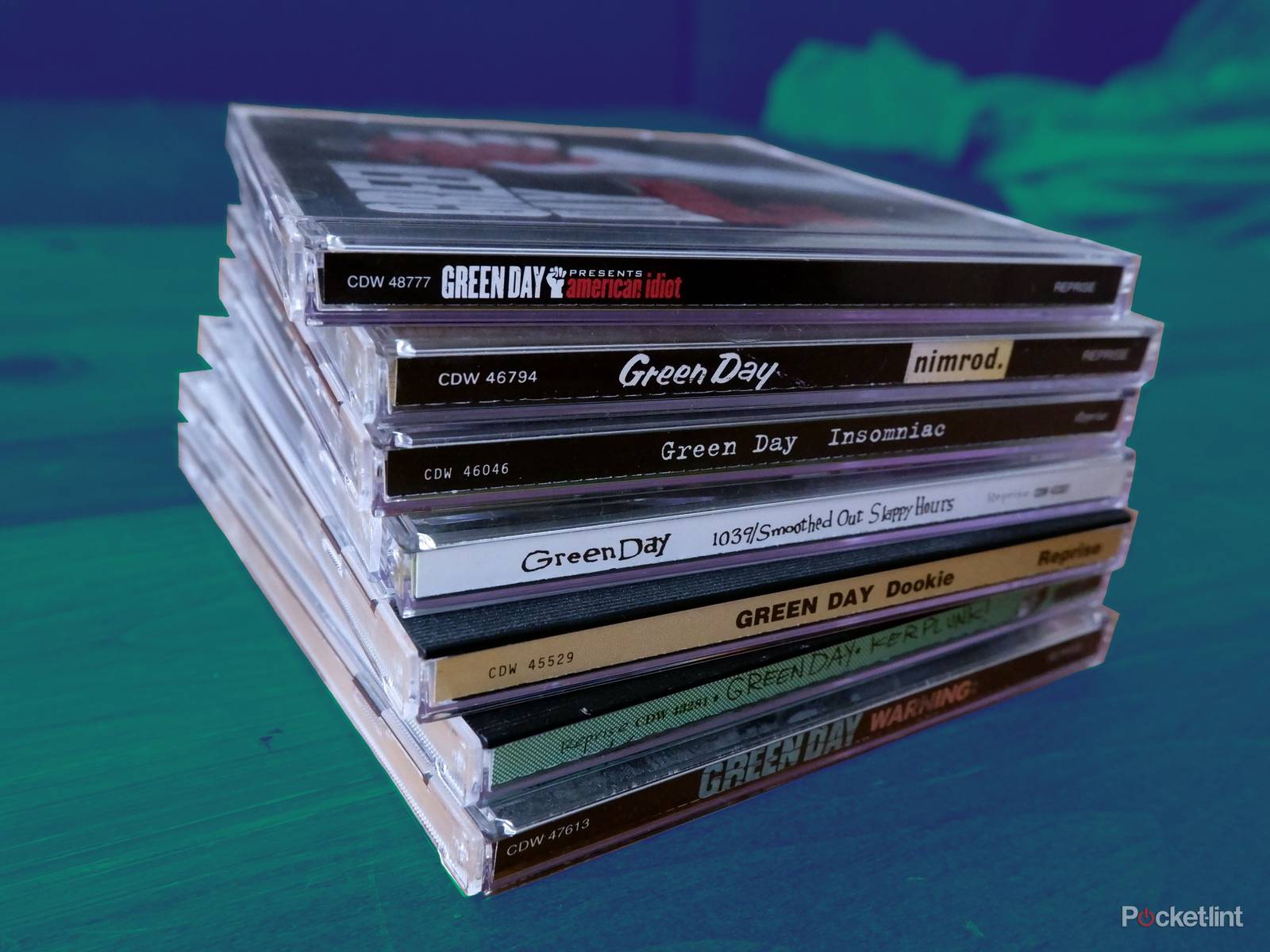
- Buy physical CDs or vinyl if you have the hardware to play them
- Download FLAC files and store them on a DAP or an iPod (although iPods are expensive now, so a regular DAP is probably better)
- If you really value the accessibility of streaming services, just pay for one. They are relatively inexpensive, and you can choose services like Tidal that offer very high audio quality and better payments to artists.
Books
- Buy them
- Borrow them
- Use a library (yes, they still exist)
- Sail again and get EPUB or PDF versions
Ads on websites
- Ublock
- PiHole at the network level
Movies and TV Series
- Sail (yes, that is my first suggestion). Use tools like Jellyfin, Prowlarr, Radarr, and Sonarr.
- If you have a DVD or Blu-ray player, buy discs. They are extremely cheap nowadays, and after watching them you actually own something that you can resell if you want.
Storage
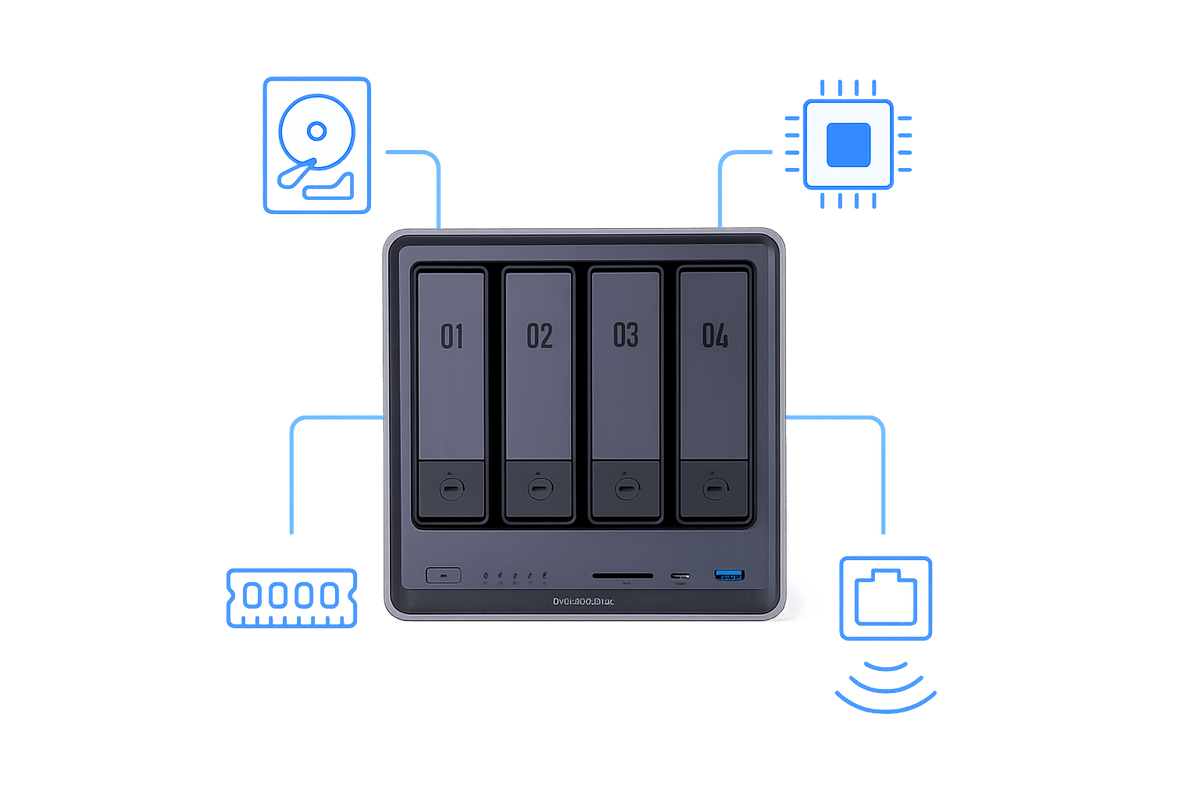
- Buy a cheap PC and a few hard drives and use Samba or Nextcloud. This is essential. Stop paying for Google Drive or Apple iCloud. If photos are your main concern, check out Immich.
- Use external SSDs. They are very small and convenient nowadays.
- You can still use the free tiers of cloud storage services. Personally, I keep them only for important documents.
In the end
In the end, the goal is not necessarily to reject every subscription or every modern service. Convenience has value, and sometimes paying for it is perfectly reasonable. However, the current subscription model has slowly shifted from providing access to creating dependency, where users keep paying indefinitely for things they never truly own.
Building a small homelab, buying physical media, or simply managing your own files are small steps toward regaining control over your digital life. You may not eliminate every subscription, but by being more intentional about what you pay for, you can avoid spending money on services that give you less and less in return while taking away the sense of ownership we once had.